sbi new passbook application form pdf

SBI New Passbook Application Form PDF: A Comprehensive Guide
Navigating SBI’s passbook procedures involves accessing the correct application form, often available as a PDF․ Forms like SB-41 (for duplicates) and DBT forms are crucial for account maintenance and updates, readily downloadable online;

SBI passbooks serve as vital physical records of your account transactions, offering a convenient way to monitor deposits, withdrawals, and overall account activity․ While digital banking is increasingly prevalent, the passbook remains a frequently requested document by State Bank of India (SBI) customers for maintaining a tangible history of their finances․
Traditionally, passbooks were updated manually at the branch, but SBI is actively promoting and implementing digital passbook options through its YONO app, offering real-time updates․ However, many customers still prefer the physical passbook for its simplicity and offline accessibility; Obtaining a new passbook, whether it’s your first or a replacement for a lost or damaged one, requires completing a specific application process․
This guide focuses on the process of acquiring a new SBI passbook, including locating and downloading the necessary application forms (often available in PDF format), understanding the required documentation, and navigating the submission procedures․ We’ll also cover related forms like the DBT (Direct Benefit Transfer) form, essential for linking your account to government schemes, and account transfer formats․ Understanding these processes ensures a smooth and efficient experience when managing your SBI account records․
Understanding the Need for a New Passbook
Several circumstances necessitate obtaining a new SBI passbook․ The most common reason is the initial request for a passbook upon opening a new account․ However, existing customers may require a replacement due to loss, theft, or damage․ A damaged passbook, even if partially legible, should be replaced to ensure a clear and accurate record of transactions․

Furthermore, if your existing passbook is full, you’ll need a new one to continue recording your banking history․ While digital alternatives like the YONO app offer convenient access to transaction details, a physical passbook is often required for specific purposes, such as visa applications or loan documentation․
Changes to your account details, particularly your signature or address, may also prompt the bank to issue a new passbook reflecting the updated information․ Additionally, submitting a DBT form alongside your passbook application ensures your account is correctly linked for receiving direct benefits․ Understanding these scenarios helps determine when initiating the application process for a new SBI passbook is necessary, utilizing the readily available PDF forms․
Where to Find the SBI New Passbook Application Form PDF
Locating the official SBI new passbook application form PDF is straightforward․ The primary source is the State Bank of India’s official website․ Navigate to the ‘Forms’ or ‘Downloads’ section, often found within the ‘Accounts’ or ‘Services’ tab․ Search specifically for “Passbook Application Form” or “SB-41” (for duplicate passbooks)․
Alternatively, numerous third-party websites compile banking forms, offering the SBI passbook application PDF for download․ However, exercise caution when using these sources, ensuring the form is the latest version to avoid discrepancies․ Websites referencing SBI-DBT forms also frequently host the passbook application․
Reliable sources include websites dedicated to banking information and document resources․ A quick online search using keywords like “SBI passbook form PDF download” will yield several options․ Always verify the document’s authenticity by cross-referencing it with information available on the official SBI website before submitting it․
Downloading the Official SBI Passbook Form
To download the official SBI passbook form, begin by visiting the State Bank of India’s official website․ Locate the ‘Forms’ or ‘Downloads’ section, typically accessible through the ‘Accounts’ or ‘Services’ menu․ Utilize the search function and enter keywords like “Passbook Application Form” or “SB-41” to pinpoint the correct document․
Once found, click on the link to initiate the download․ The form will generally be in PDF format, requiring a PDF reader like Adobe Acrobat to open․ Ensure your browser or device has a functional PDF viewer installed․ Save the file to a readily accessible location on your computer or mobile device․
Double-check the file name and size to confirm it’s the intended document․ The official form should be clearly labeled with “SBI” and “Passbook Application․” Be wary of unfamiliar websites offering downloads, prioritizing the official SBI website for security and accuracy․ Regularly check for updated versions, as forms can change periodically․
Alternative Sources for the Passbook Form
While the official SBI website is the primary source, alternative avenues exist for obtaining the passbook application form․ Several third-party websites compile bank forms, but exercise caution when using these, verifying the form’s authenticity against a recent official version․ Look for reputable financial resource sites․
Visiting a local SBI branch directly provides a physical copy of the form․ This is particularly useful if you lack reliable internet access or prefer a hard copy for completion․ Bank staff can also guide you to the correct form and answer any immediate questions․
Some online platforms offer downloadable SBI forms, including those related to DBT updates and account transfers․ However, always cross-reference these with the official SBI website to ensure accuracy․ Be mindful of potential outdated versions or modifications․ Remember to prioritize security and avoid downloading from untrusted sources to protect your financial information․
Eligibility Criteria for a New Passbook
Generally, any individual holding a valid savings or current account with State Bank of India is eligible to apply for a new passbook․ This includes sole account holders, joint account holders, and those with various types of SBI accounts, such as basic savings bank deposit accounts or specialized schemes․
There are no specific restrictions based on age, income, or residency, provided the account is active and adheres to the bank’s terms and conditions․ Minors with guardian accounts are also eligible, with the guardian completing the application on their behalf․
If a passbook is lost or damaged, a duplicate passbook can be requested, subject to fulfilling the requirements for a duplicate application (Form SB-41) and associated fees․ Account holders undergoing KYC updates may also require a new passbook to reflect the updated information․ Essentially, anyone needing a physical record of their transactions is eligible․
Required Documents for Application
To successfully apply for a new SBI passbook, applicants typically need to submit a few essential documents․ Primarily, a completed SBI new passbook application form is required – obtainable as a PDF download or from a branch․ A valid photo ID proof is crucial; acceptable options include Aadhaar card, PAN card, Voter ID, Passport, or Driving License․
Proof of address, matching the details registered with the bank, is also necessary․ This can be the same as the photo ID or a separate document like a utility bill or rental agreement․ For duplicate passbooks (using Form SB-41), a declaration stating the circumstances of the loss or damage is essential․
Account holders must also provide a copy of their recent bank statement or a cheque leaf for verification purposes․ Ensure all documents are self-attested to confirm authenticity․ Specific branch requirements may vary, so confirming with your local SBI branch is always advisable․
Filling Out the SBI Passbook Application Form: Account Details
The ‘Account Details’ section of the SBI passbook application form demands precise information․ Begin by clearly stating your complete account number, ensuring it matches your bank records exactly․ Specify the type of account – Savings, Current, or any other specific scheme․ Accurately provide the branch name where the account is held; this is vital for processing․
Next, detail your account opening date, referencing your original account documentation if needed․ If applicable, indicate any nominee details associated with the account․ Carefully fill in the required fields regarding the passbook’s features, such as the desired number of transactions per page or any specific printing preferences․
Double-check all entered details against your bank statement to avoid discrepancies․ Any errors could lead to delays in passbook issuance․ Remember to sign and date the form in the designated area, confirming the accuracy of the provided account information․
Filling Out the SBI Passbook Application Form: Personal Information
The ‘Personal Information’ section of the SBI passbook application form requires meticulous attention to detail․ Begin with your full legal name, precisely as it appears on your bank account and identification documents․ Provide your date of birth in the specified format (DD/MM/YYYY), ensuring accuracy․ Your gender must also be clearly indicated․
Next, furnish your complete postal address, including house number, street name, city, state, and PIN code․ A valid contact number – mobile and/or landline – is crucial for communication regarding your passbook application․ Include your email address if you have one, as this can facilitate faster updates․
If your name has changed since opening the account, clearly state your previous name and provide supporting documentation (marriage certificate, gazette notification, etc․)․ Ensure all information aligns with your KYC (Know Your Customer) details submitted to the bank․ Sign and date this section to affirm the accuracy of the provided personal details․
Declaration and Signature Requirements
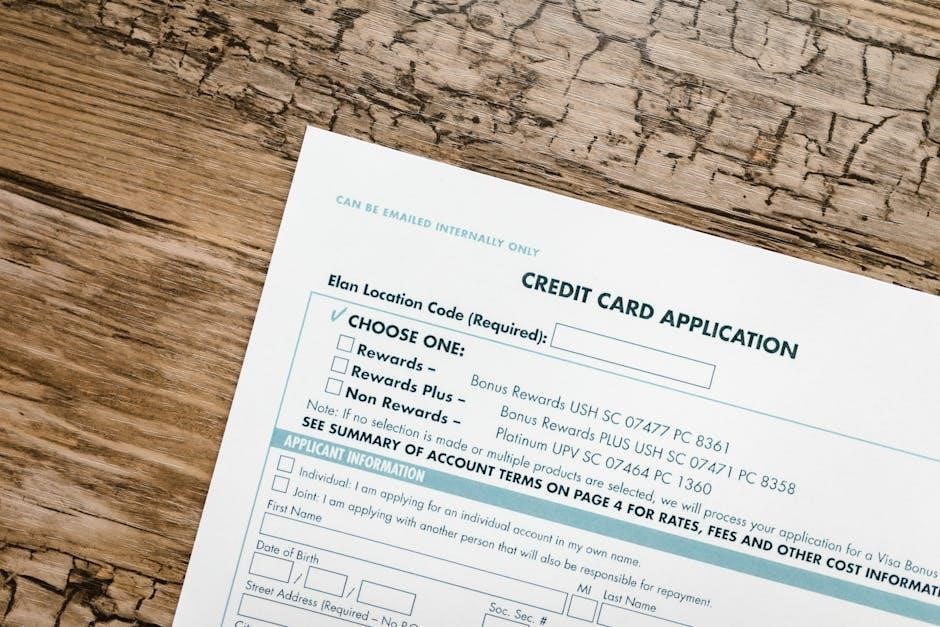
The ‘Declaration’ section of the SBI passbook application form is a formal attestation of the information provided․ Carefully read the pre-printed declaration statement, which typically confirms the accuracy of the details furnished and your adherence to the bank’s terms and conditions․ Any alterations or additions to the declaration may invalidate your application․
Signature requirements are paramount․ Sign the form in the designated space, using the same signature as registered with the bank for all your transactions․ The signature should be clear, legible, and within the provided box․ Avoid signatures across multiple boxes or extending beyond the allocated area․
For joint accounts, all account holders must sign the declaration․ Ensure the signatures match the bank’s records․ If signing on behalf of a minor or an illiterate individual, clearly state your relationship and provide supporting documentation․ A dated signature is mandatory, confirming the application’s submission date․
Submitting the Completed Application Form
Once the SBI passbook application form is meticulously filled and signed, the submission process is straightforward․ The primary method remains a direct visit to your designated SBI branch․ Ensure you carry all required documents – identity proof, address proof, and the completed application form – for a smooth process․
Present the form to a bank official at the counter․ They will verify the details and provide an acknowledgement receipt․ Retain this receipt as proof of submission and for future tracking․ While online submission options are currently limited for new passbook applications, periodically check the SBI website for updates․
Some SBI branches may offer a dedicated drop box for form submissions․ However, this method might result in a slightly longer processing time․ Confirm with your branch regarding the availability and acceptance of this option․ Always prioritize submitting the form during banking hours to ensure immediate processing․
Submission Methods: Branch Visit
The most reliable method for submitting your completed SBI new passbook application form is a personal visit to your home branch․ This allows for immediate clarification of any doubts and ensures direct interaction with bank personnel․ Prepare for a potential queue, especially during peak hours, and allocate sufficient time for the process․
Upon arrival, locate the designated counter for passbook-related services․ Present the fully filled and signed application form, along with all necessary supporting documents – a valid photo ID, address proof, and potentially your old passbook if applying for a replacement․ The bank official will meticulously verify the information provided․
Ensure you receive an acknowledgement receipt after submission․ This receipt serves as proof of your application and contains a reference number for tracking its progress․ Keep this receipt safe until you receive your new passbook․ Branch visits offer the most secure and efficient way to complete your application․
Submission Methods: Online Options (If Available)
Currently, State Bank of India does not offer a fully online submission process for new passbook applications directly through its website․ While SBI continually enhances its digital services, passbook requests traditionally require a physical visit to the branch․ However, certain related account update requests, like those pertaining to DBT (Direct Benefit Transfer) details, can be submitted online․
Customers can utilize SBI’s internet banking platform or mobile banking app (YONO) to update their KYC details and account information․ These updates, while not a direct passbook application, ensure the accuracy of records linked to your passbook․ Regularly updating your details can streamline future branch visits․
Keep checking the official SBI website for any future announcements regarding online passbook application facilities․ While not presently available, the bank may introduce this feature to improve customer convenience․ For now, the branch visit remains the primary and most reliable submission method․
Fees and Charges for Passbook Issuance
State Bank of India’s policy regarding fees for passbook issuance has evolved, and currently, a new passbook is generally issued free of charge․ This applies to the initial passbook provided upon opening a new account; However, charges may apply for subsequent duplicate passbooks or replacements due to loss or damage․
The fee for a duplicate passbook (using Form SB-41) varies slightly depending on the specific branch and account type, but typically falls within the range of ₹50 to ₹100․ It’s advisable to confirm the exact amount with your home branch before submitting the application․
SBI periodically revises its fee structure, so it’s crucial to check the latest information on the official SBI website or inquire at your branch․ While the initial passbook is complimentary, maintaining accurate records and safeguarding your existing passbook can help avoid unnecessary charges for replacements․ Always retain your transaction records as an alternative․
Processing Time for New Passbook
The processing time for a new SBI passbook, following a valid application submission, generally ranges from 7 to 15 working days․ This timeframe allows for verification of account details, printing of the passbook, and internal processing procedures at the branch level․ However, this is an estimated duration and can fluctuate based on the workload and operational efficiency of the specific branch․
Factors that might influence the processing time include the volume of applications received, any discrepancies in the submitted application form, and the availability of resources at the branch․ Submitting a complete and accurate application, along with all required documents, can significantly expedite the process․

While online tracking options are limited, you can follow up with your home branch after 10 working days to inquire about the status of your application․ Maintaining a record of your submission date and application reference number (if provided) will be helpful during follow-up inquiries․
Tracking Your Passbook Application Status
Unfortunately, State Bank of India currently does not offer a centralized online system for tracking the status of new passbook applications․ Unlike some other banking services, a dedicated tracking portal or SMS update facility isn’t readily available for passbook requests․ This lack of digital tracking necessitates a more direct approach to monitoring your application’s progress․

The most reliable method for checking the status is to directly contact your base branch․ Keep your application submission date and any reference number provided by the bank staff readily available․ A polite inquiry at the branch counter or a phone call to the branch’s customer service line can provide updates․
Regular follow-ups, spaced a few days apart after the expected processing time (7-15 working days), are recommended․ While inconvenient, this direct communication remains the primary way to ascertain the status of your SBI passbook application․
Dealing with Lost or Damaged Passbooks
If your SBI passbook is lost or damaged, prompt action is crucial to safeguard your account․ The primary recourse is submitting an application for a duplicate passbook, utilizing Form SB-41, readily available as a PDF download from SBI’s website or at your branch․
The application process requires providing account details and a written declaration detailing the loss or damage․ You’ll also need to submit supporting documentation, typically a copy of your identity proof (Aadhaar, PAN card, etc․)․ Ensure the form is filled accurately and signed․
A nominal fee is usually applicable for issuing a duplicate passbook․ Once submitted, the processing time is generally similar to that of a new passbook application – approximately 7 to 15 working days․ Until the duplicate arrives, maintain records of all transactions carefully․ Reporting the loss promptly minimizes potential misuse․
Application for Duplicate Passbook (Form SB-41)
Form SB-41 is the official document required when applying for a duplicate SBI passbook due to loss, theft, or damage․ This crucial form is easily accessible as a PDF download from the State Bank of India’s official website, or obtainable directly from any SBI branch․ It’s designed to streamline the replacement process, ensuring account security․
The form necessitates detailed account information, including the account number, account type, and branch details․ Applicants must also provide personal information matching their bank records, alongside a clear and concise explanation of the reason for requesting a duplicate․ A declaration confirming the accuracy of the provided details is mandatory․
Alongside the completed SB-41 form, supporting documentation is essential – typically a copy of a valid photo ID (Aadhaar, PAN, Voter ID) and potentially a police report if the passbook was reported stolen․ A processing fee applies, varying slightly by region․ Submitting a correctly filled form with all required documents expedites the process․
Understanding DBT Form (Related to Account Updates)
The SBI DBT (Direct Benefit Transfer) form is vital for linking your bank account to various government schemes and ensuring seamless receipt of subsidies and benefits․ While not directly a passbook application, it’s frequently required when updating account details crucial for passbook accuracy and functionality․ This form, readily available as a PDF, facilitates the connection between your SBI account and government initiatives․
The DBT form primarily requests account details – account number, IFSC code, and branch information – alongside personal details like Aadhaar number and mobile number․ Accurate information is paramount, as discrepancies can lead to delays or failures in receiving benefits․ It confirms your consent to receive government payments directly into your SBI account․
Submitting the DBT form is often a prerequisite for passbook updates, particularly if your Aadhaar or mobile number have changed․ It ensures the bank has the most current information for DBT-related transactions․ Completed forms are typically submitted at your SBI branch, alongside a copy of your Aadhaar card․

SBI Account Transfer Formats

SBI provides specific formats for transferring funds between accounts, both within the bank and to other financial institutions․ While not directly related to a new passbook, these formats are often needed when updating account details or consolidating funds, impacting passbook records․ These formats, typically available as downloadable PDFs, ensure accurate and secure transactions․
Internal transfer formats facilitate moving funds between your own SBI accounts or to accounts held by others within the same branch or different branches․ These forms require details like account numbers, IFSC codes, and the transfer amount․ External transfer formats, such as NEFT or RTGS forms, are used for transferring funds to accounts in other banks․
Completing these forms accurately is crucial to avoid transaction errors․ They usually require the account holder’s signature and may necessitate supporting documentation like a passbook copy for verification․ These transfer formats are readily accessible on the SBI website or at your local branch, ensuring a streamlined process for managing your finances․
Important Considerations and Common Mistakes
When applying for a new SBI passbook, several key considerations ensure a smooth process․ Double-check the accuracy of your account number and personal details on the application form – even minor errors can cause delays․ Ensure the signature on the form matches the signature registered with the bank․ Regularly updating your KYC (Know Your Customer) details is vital, as outdated information can lead to rejection․
Common mistakes include providing incorrect IFSC codes, submitting incomplete forms, and failing to enclose necessary documents․ Many applicants also forget to clearly state the reason for needing a new passbook (e․g․, lost, damaged, or full pages)․ Be mindful of the prescribed format for filling out the form; avoid overwriting or using erasures․
Finally, keep a copy of your submitted application form and any supporting documents for your records․ Proactive attention to these details minimizes potential issues and expedites the issuance of your new SBI passbook․
Contact Information for Passbook Related Queries
For immediate assistance regarding your SBI passbook application or any related concerns, several channels are available․ Customers can contact the SBI Customer Care Centre at 1800-11-2211 or 1800-1234-567 (toll-free numbers)․ These lines operate during banking hours, typically Monday to Saturday, excluding national holidays․
Alternatively, you can lodge your queries via email to contactus@sbi․co․in․ Ensure you include your account number, registered mobile number, and a detailed description of your issue for faster resolution․ For specific branch-related inquiries, locate your nearest SBI branch through the bank’s website (sbi․co․in) and contact them directly․
Furthermore, SBI offers support through its social media channels, including Twitter (@TheOfficialSBI) and Facebook (State Bank of India)․ While these platforms may not resolve complex issues, they can provide quick answers to general questions․ Remember to never share sensitive account details publicly․
Recent Updates and Changes to Passbook Rules (as of 02/12/2026)
As of December 2nd, 2026, State Bank of India has implemented several key updates to its passbook regulations․ While physical passbooks remain available, SBI is actively promoting digital alternatives like the YONO SBI app and internet banking for transaction history access, reducing reliance on paper passbooks․
A notable change involves fees; while a first-time passbook is generally free, subsequent requests, especially frequent ones, may incur a nominal charge to discourage unnecessary paper usage․ The bank also emphasizes the importance of maintaining updated KYC (Know Your Customer) details when applying for a new or duplicate passbook, referencing the DBT form for address verification․
Furthermore, processing times for passbook issuance have been streamlined, aiming for delivery within 7-10 working days․ SBI continues to accept the SB-41 form for duplicate passbook applications, available for download on their official website․ Customers are encouraged to check the SBI website for the most current fee structure and policy updates․