torn racing guide
Torn Racing Guide: A Comprehensive Overview

Welcome to the ultimate guide for dominating the high-octane world of Torn City racing! This resource details everything needed to become a champion racer.
Torn City’s racing scene is a thrilling and competitive aspect of the game, offering a unique blend of skill, strategy, and financial investment. Unlike many other activities in Torn, racing isn’t solely about raw stats; it demands precise timing, understanding car mechanics, and adapting to diverse track conditions.
Initially appearing as a simple pastime, racing quickly reveals layers of depth. Players can acquire, customize, and upgrade vehicles to compete in daily and ranked races, striving for leaderboard dominance and lucrative rewards. It’s a dynamic system where consistent practice and informed decisions are key to success.
This guide aims to provide a comprehensive overview, from the fundamentals of car stats to advanced racing techniques, empowering you to navigate the asphalt and leave your rivals in the dust. Prepare to accelerate your knowledge and become a true Torn racing legend!
Understanding the Basics of Racing in Torn
Racing in Torn fundamentally revolves around completing laps around a track faster than your opponents. Each race consists of a set number of laps, and your finishing position determines your reward. However, simply flooring the accelerator won’t guarantee victory.
A crucial element is managing your nitro, a temporary speed boost activated with the ‘N’ key. Strategic nitro usage is vital for overtaking and maintaining speed on straights. Furthermore, understanding gear shifting – automatically handled by the game – is important, as staying in the optimal gear maximizes acceleration and top speed.
Pay attention to the track layout; memorizing corners and straightaways allows for smoother, faster lines. Finally, be aware of other racers; collisions can significantly slow you down. Mastering these basics forms the foundation for more advanced racing strategies.
Car Stats and Their Importance
Understanding car stats is paramount to success in Torn racing. Key statistics include Speed, determining your maximum velocity; Acceleration, dictating how quickly you reach that speed; and Handling, influencing your car’s responsiveness and cornering ability. Weight also plays a critical role, impacting both acceleration and handling – lighter cars generally perform better.
Each stat contributes uniquely to overall performance. A car with high speed but poor acceleration will struggle on shorter tracks. Conversely, excellent acceleration paired with weak speed is ideal for quick bursts. Handling is crucial for navigating tight corners without losing momentum.
Don’t solely focus on high numbers; consider how stats synergize. A balanced build often outperforms a car excelling in only one area. Carefully analyze these stats when choosing and upgrading your vehicle.
Track Types and Characteristics
Torn City offers diverse racing tracks, each demanding a unique driving style and car setup. City Circuits are tight and technical, prioritizing handling and acceleration over sheer speed. Highway Races favor high-speed builds, requiring powerful engines and aerodynamic upgrades. Dirt Tracks introduce unpredictable surfaces, demanding robust suspension and careful throttle control.
Oval Tracks emphasize consistent speed and drafting techniques. Mountain Roads combine challenging corners with long straights, needing a balanced approach. Understanding a track’s layout – corner types, straight lengths, and elevation changes – is vital.
Scouting a track before racing is highly recommended. Pay attention to braking zones and optimal racing lines. Adapting your car and strategy to the specific track characteristics significantly boosts your chances of victory.
Choosing Your First Racing Car
Selecting your initial racing vehicle is crucial for a positive start in Torn City; Avoid immediately investing in expensive, high-end cars. Focus on affordability and upgrade potential. The Vortex is a popular choice, offering a good balance of speed and handling at a reasonable price;
Consider the Sentinel as another viable option, known for its decent acceleration. Prioritize cars with readily available upgrade parts. Don’t overlook the auction house for potential bargains, but be cautious of inflated prices.
Remember, your first car is a stepping stone. The goal is to gain experience and earn enough money to progressively upgrade to faster and more competitive vehicles. A sensible initial investment is key.
Budget-Friendly Starter Cars
For newcomers to Torn racing, several cars offer excellent value. The Vortex consistently ranks as a top pick, typically available for under $50,000. It’s a reliable platform for learning the ropes and accumulating race earnings. The Sentinel, often found around the $40,000 mark, provides good acceleration for shorter tracks.
Don’t dismiss the Phantom; while slightly slower, it’s incredibly cheap and allows for early participation. The Gremlin is another affordable option, though its handling can be challenging.
Focus on maximizing upgrades for these vehicles before considering a more expensive purchase. These cars provide a solid foundation for building your racing career without breaking the bank.
Evaluating Car Performance Metrics
Understanding key stats is crucial for informed car selection. Speed is obvious, but Acceleration dictates how quickly you reach top speed – vital for shorter tracks. Handling impacts cornering ability; higher values mean tighter turns. Grip affects traction, preventing skidding, especially during acceleration and braking.
Weight significantly influences both acceleration and handling; lighter cars generally perform better. Pay attention to the Power-to-Weight Ratio – a higher ratio translates to faster performance. Don’t solely rely on overall stats; consider how they synergize with your preferred racing style and track types.
Utilize in-game comparisons and test drives to assess these metrics practically.
Upgrading Your Racing Car
Once you’ve chosen a car, upgrades are essential for maximizing its potential. Upgrades aren’t just about raw power; they’re about refining performance. Start with upgrades that address your car’s weaknesses. A slow-accelerating car benefits from engine work, while a slippery vehicle needs tire improvements.
Prioritize upgrades strategically. Don’t spread resources too thin. Focus on a few key areas to see noticeable gains; Consider the track types you frequent; different tracks demand different upgrade priorities. Regularly check the market for optimal pricing on upgrade components.
Remember, diminishing returns apply – upgrades become less impactful at higher levels.
Engine, Tires, and Handling Upgrades
Engine upgrades directly impact acceleration and top speed, crucial for straightaways. Higher engine levels provide significant power boosts, but also increase fuel consumption. Tires are paramount for grip and cornering ability; better tires translate to faster lap times. Don’t neglect tire pressure – it’s a free performance tweak!
Handling upgrades refine steering responsiveness and stability. These are vital for navigating tight corners and maintaining control at high speeds. A balanced approach is key – excessive handling can make a car twitchy, while insufficient handling leads to understeer or oversteer.
Experiment to find the sweet spot for your driving style.
The Importance of Weight Reduction
Reducing a car’s weight is arguably the most cost-effective performance upgrade. Less weight means faster acceleration, quicker braking, and improved handling. Every pound shaved off contributes to a noticeable difference on the track. Strip out unnecessary components – interior trim, sound systems, and even the passenger seat – to lighten the load.
Focus on removing weight from the chassis, as this has the biggest impact on agility. While engine and handling upgrades add power, they also add weight. Counteract this by aggressively pursuing weight reduction strategies.
A lighter car is a faster car, period.
Racing Strategies and Techniques
Success in Torn racing isn’t solely about having the fastest car; strategic thinking and skillful execution are paramount. Mastering the art of pacing is crucial – don’t burn through boost too early in a long race; Observe your opponents’ driving styles and exploit their weaknesses.
Anticipate corners and plan your lines to maintain momentum. Aggressive overtaking maneuvers can pay off, but only when executed precisely. Learn to read the track and adapt your strategy accordingly.
Consistent lap times, combined with smart tactics, will consistently place you ahead of the competition.
Optimal Gear Shifting
Precise gear shifting is fundamental to maximizing speed in Torn racing. Understanding your car’s power band is key; shift up just before hitting the redline to maintain optimal RPMs and avoid power loss. Conversely, downshift before entering corners to ensure you’re in the correct gear for acceleration upon exit.
Don’t be afraid to experiment with different shift points to find what works best for your vehicle and driving style. Smooth transitions between gears are vital – jerky shifts disrupt momentum and cost valuable time.
Mastering this technique will significantly improve your lap times and overall race performance, giving you a competitive edge.
Cornering Techniques for Speed
Successfully navigating corners at speed is crucial for winning races. The core principle is to slow down before the turn, not during it. Brake firmly but smoothly before the apex, then gently release as you begin to turn.
Maintain a consistent throttle through the corner to avoid upsetting the car’s balance. A wider arc generally allows for higher speeds, but requires precise control. Learn to identify the optimal racing line for each corner – it’s the path that minimizes distance and maximizes speed.
Practice makes perfect! Experiment with different approaches to find what works best for your car and the track layout.
Participating in Races
Entering races in Torn is straightforward, accessible through the Racing tab. You’ll find two primary race types: Daily Races and Ranked Races. Daily Races offer a consistent opportunity for rewards and practice, resetting each day with varying track configurations.
Ranked Races are more competitive, featuring a leaderboard and escalating rewards based on your finishing position. Entry requires a race entry fee, increasing with higher ranks. Before joining, carefully review the race requirements – some may necessitate specific car tiers or modifications.
Pay attention to the race lobby to see other participants’ cars and potentially adjust your strategy. Good luck, and may the fastest racer win!
Daily Races and Rewards
Daily Races in Torn provide a consistent stream of income and experience. These races rotate through various tracks daily, offering a diverse challenge and preventing monotony. Rewards are tiered based on your finishing position, ranging from small cash prizes for participation to substantial payouts for winning.
Beyond cash, Daily Races also grant valuable racing experience, crucial for leveling up your racing skill. Higher racing skill unlocks access to better cars and upgrades. Don’t underestimate the value of consistent participation – even modest rewards accumulate over time.
Check the race details for specific reward information before joining. These races are a fantastic way to hone your skills and build your racing fortune!
Ranked Races and Leaderboards
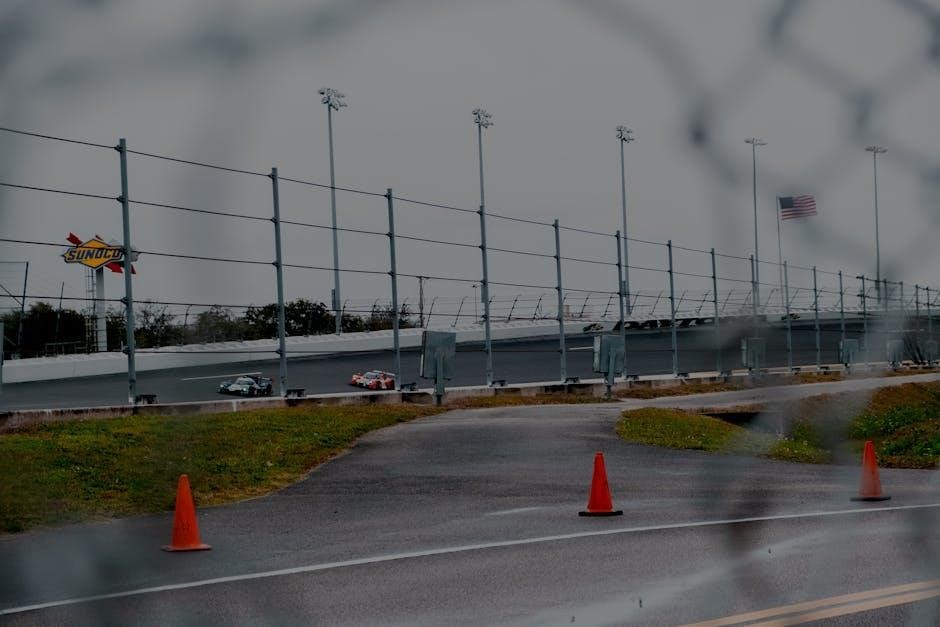
Ranked Races represent the pinnacle of Torn City racing competition. Unlike Daily Races, these events pit you against racers of similar skill, ensuring a challenging and fair contest. Your performance in Ranked Races directly impacts your ranking on the global leaderboards.
Rewards in Ranked Races are significantly higher than those offered in Daily Races, including substantial cash prizes, respect gains, and exclusive bragging rights. Climbing the leaderboards requires dedication, skill, and a finely-tuned racing machine.
Be prepared for intense competition! Ranked Races demand optimal strategies and precise execution. Regularly check your leaderboard position and strive to improve with each race. Victory brings prestige and substantial rewards!
Advanced Racing Tactics
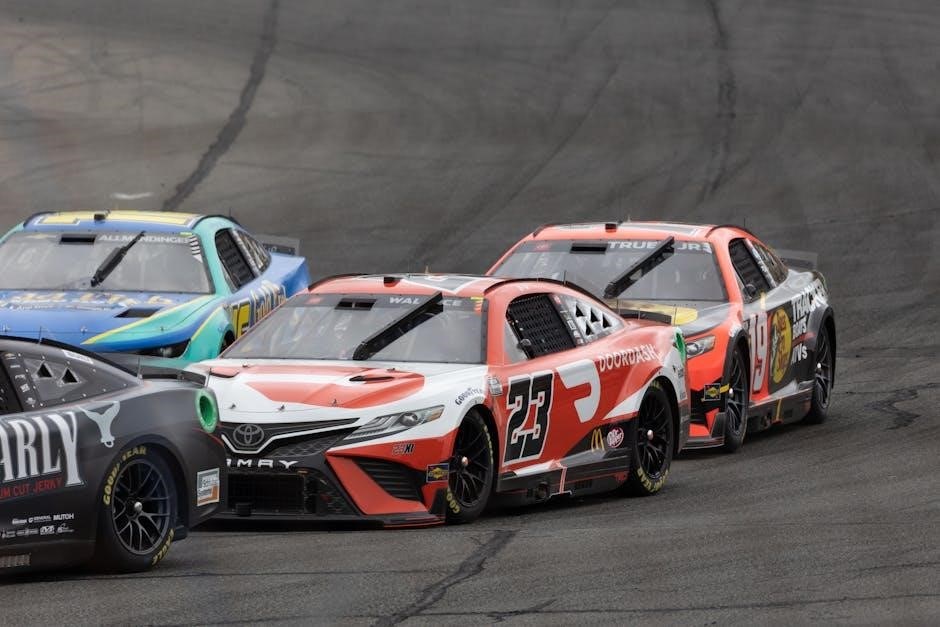
Mastering the basics is only the first step; truly elite racers employ advanced tactics to gain an edge. Drafting and Slipstreaming are crucial – closely following an opponent reduces drag, boosting your speed. However, timing is key; break the draft at the optimal moment for maximum acceleration.

Boost management is equally vital. Don’t waste boost on straightaways where its effect is minimal. Save it for corners or overtaking maneuvers. Learn to anticipate turns and deploy boost before entering them for a smoother, faster line.
Predicting opponent movements and exploiting their weaknesses is a hallmark of skilled racers. Observe their driving style and capitalize on any errors.
Drafting and Slipstreaming
Drafting, or slipstreaming, is a fundamental advanced technique in Torn City racing, offering a significant speed advantage. By closely following another racer, you reduce aerodynamic drag, allowing you to maintain higher speeds with less fuel consumption. The closer you are, the greater the benefit, but be cautious – collisions are costly!
Successfully drafting requires precision and timing. Position yourself directly behind your target, within the optimal drafting zone (indicated by visual cues in-game). Breaking the draft at the right moment – just before a turn or straightaway – unleashes a burst of speed.

Mastering this technique is crucial for overtaking and conserving boost, turning the tide in competitive races.
Utilizing Boost Effectively
Boost is a limited resource in Torn racing, demanding strategic deployment for maximum impact; Don’t simply activate it at the start; conserve it for crucial moments like overtaking, escaping opponents, or navigating challenging corners.
Consider the track layout. Longer straights benefit most from full-throttle boost, while shorter bursts can help maintain momentum through turns. Pay attention to your boost gauge and anticipate opportunities. Overuse leads to depletion, leaving you vulnerable.
Combining boost with drafting creates a powerful synergy, amplifying your speed and allowing for aggressive maneuvers. Learning to manage boost efficiently separates casual racers from true contenders.
Resources and Community
The Torn community is a wealth of knowledge for aspiring racers. The official Torn forums host dedicated racing discussions, strategy guides, and car build suggestions – a fantastic starting point.
Seeking advice from experienced racers can dramatically accelerate your learning curve. Don’t hesitate to ask questions, share your experiences, and participate in forum debates. Many players are willing to offer guidance.
Finding a racing team or partner provides opportunities for coordinated racing, shared knowledge, and friendly competition. Collaborate to refine strategies and dominate the leaderboards!
Torn Forums and Racing Discussions
The Torn City forums are the central hub for all racing-related conversations. Dedicated threads cover a vast range of topics, from beginner questions to advanced tuning strategies. Specifically, the Racing section is invaluable.
Regularly browsing these forums will expose you to current meta builds, emerging racing techniques, and announcements regarding upcoming events. Pay attention to posts from veteran racers – their insights are often crucial.
Don’t be afraid to start your own threads to ask specific questions or share your racing experiences. Constructive discussion and feedback are highly encouraged within the community.
Finding Racing Partners and Teams
Racing in Torn is significantly more enjoyable – and often more successful – with a dedicated team or reliable partner. The forums, as mentioned previously, are an excellent place to begin your search. Check the Racing section for recruitment posts.
Look for players who share your racing goals and playstyle. Do you prefer daily races, ranked competition, or simply casual fun? Finding compatible teammates is key. Many established teams also have dedicated Discord servers for communication and coordination.
Consider joining a faction with a strong racing presence. This provides built-in opportunities for collaboration and support. A good team can offer valuable advice, share resources, and boost your overall performance.